Background
Building the UX foundation across a broad feature scope
Last Flag is a 5v5 capture-the-flag shooter developed by Night Street Games. I owned the end-to-end UX for the systems outside of core gameplay. This included social features, lobbies, post-match statistics, player profiles, character customisation and notifications.
The challenge was to design a cohesive experience across interdependent systems in a fast-moving production environment where the feature list was constantly evolving.
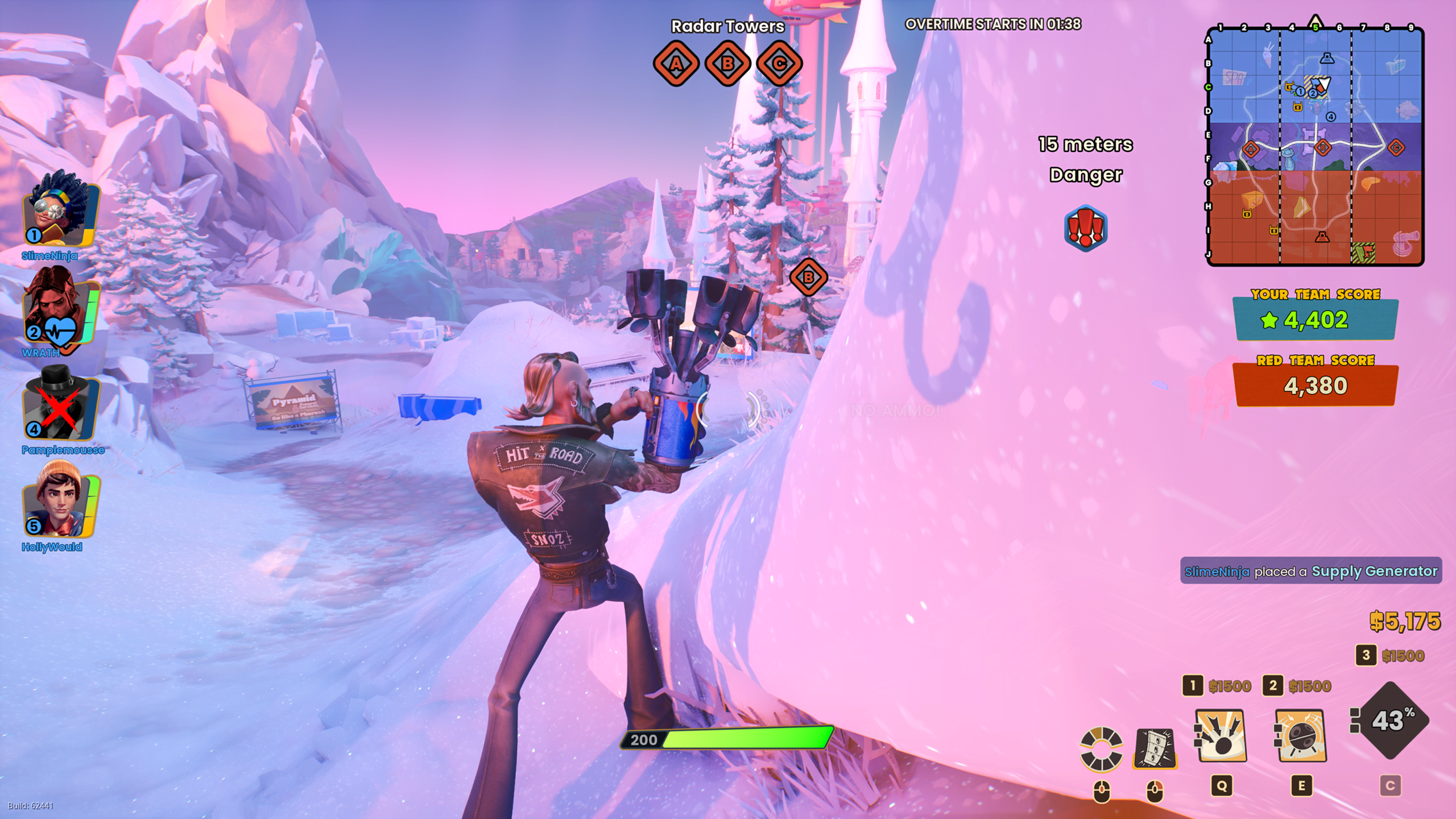
Last Flag gameplay
Research
Grounding decisions in what players already know
I conducted a competitor analysis across live service games of similar scope (Fortnite, Overwatch, Marvel Rivals, etc.) to see how they handled navigation and system structure. A common pattern I noticed was that features were often buried under multiple menu layers, so I prioritised surfacing core systems at the top level.
These findings also shaped how I approached consistency. By identifying shared interaction patterns early, I was able to define the information architecture and key UX patterns before detailed design began, giving the team a clear foundation to move faster and stay aligned across features.
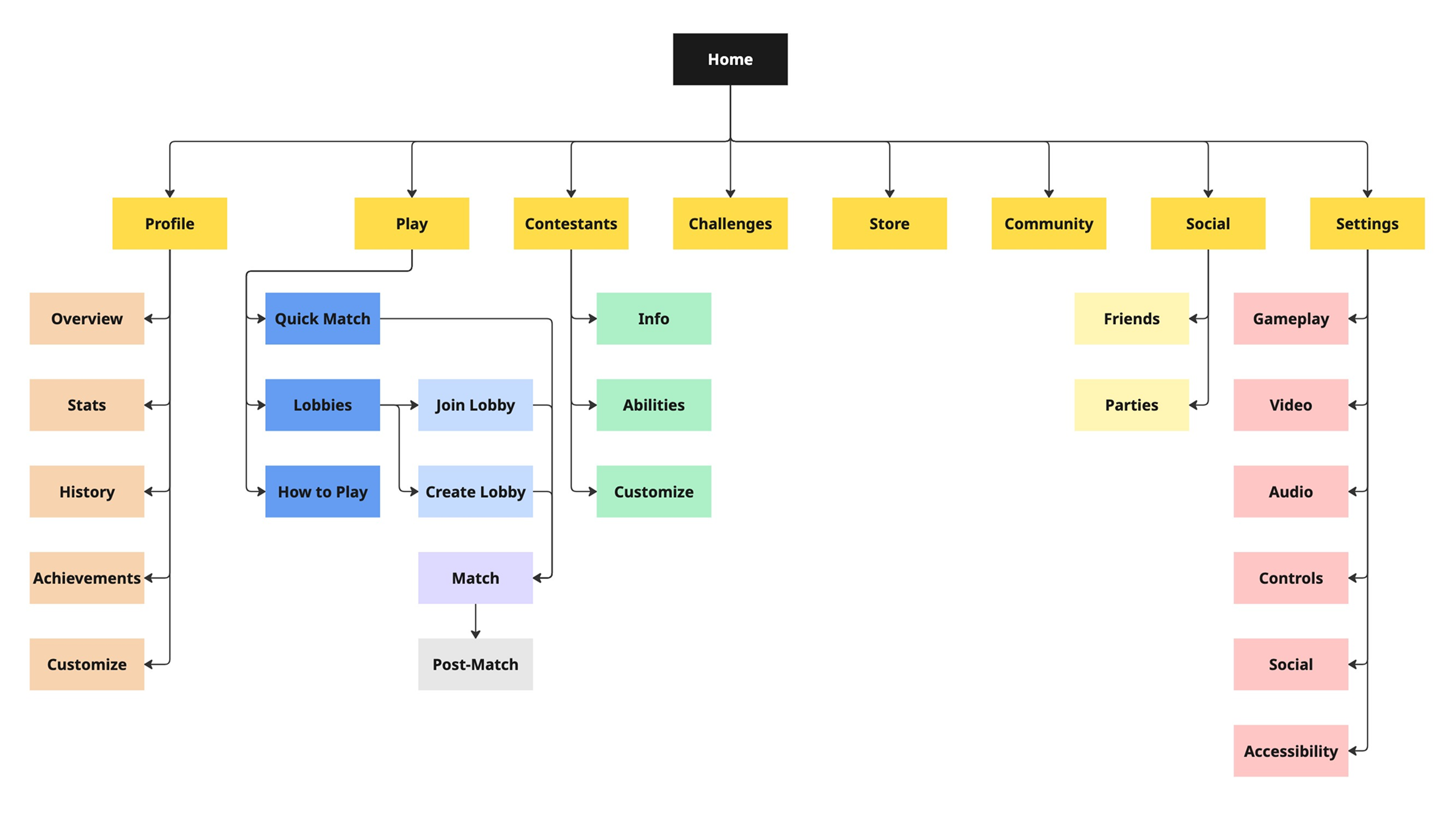
Information architecture
Design
Designing interconnected systems in a shifting environment
Each feature went through several rounds of iteration, reviewed by product, engineering and design leadership. Weekly user testing, both internal and external, meant decisions were validated early and adjusted based on real player behaviour.
Feedback also meant that requirements evolved over time. For example, the Social panel started as just a friend management system, and then later expanded to include Parties and other features like player blocklists. Each change had to work within the existing structure without breaking consistency elsewhere.
To manage this, I established shared interaction patterns and structural rules early, so when requirements shifted, the system could absorb changes without needing to rethink every decision from scratch.
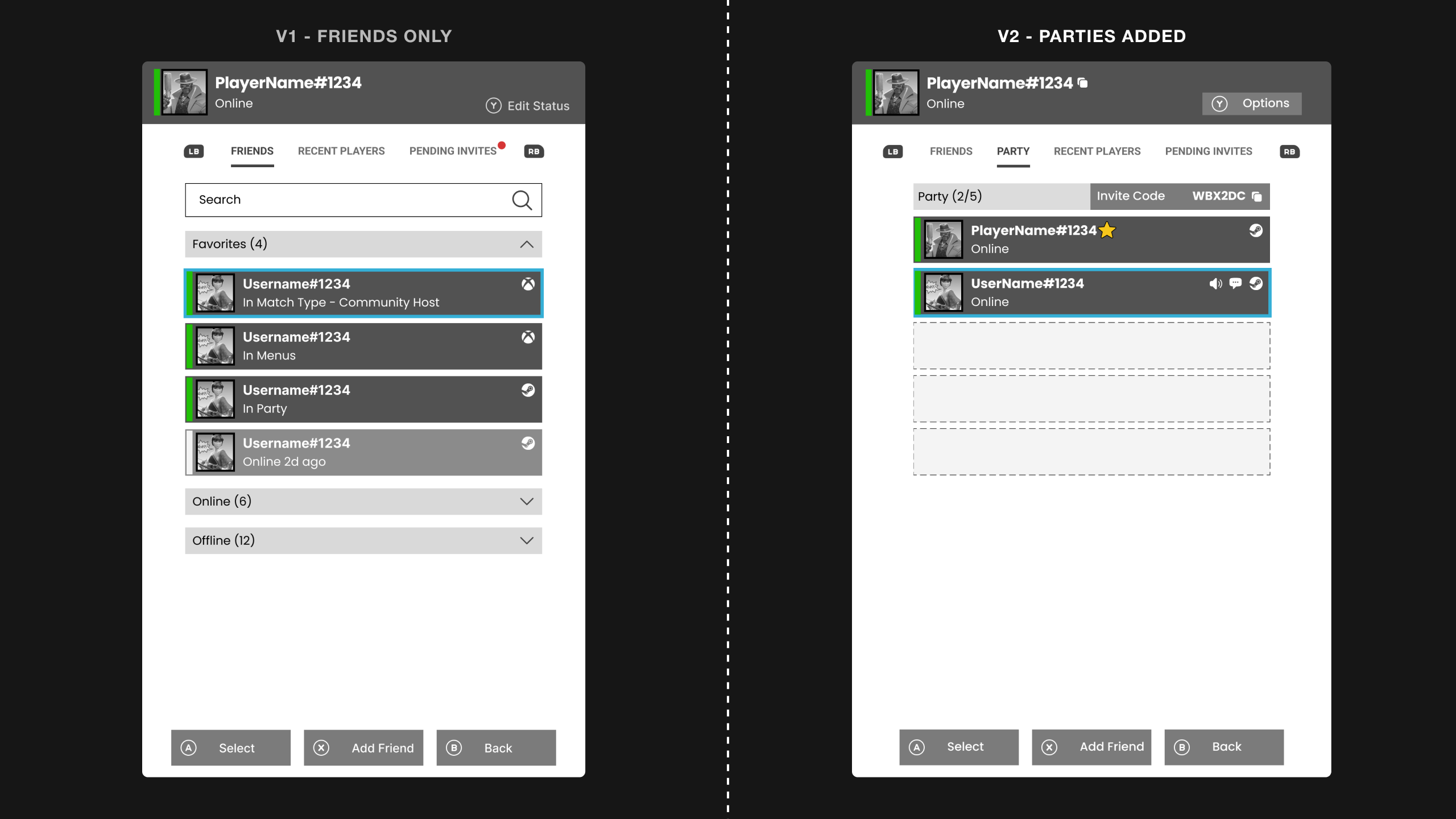
Social panel iteration
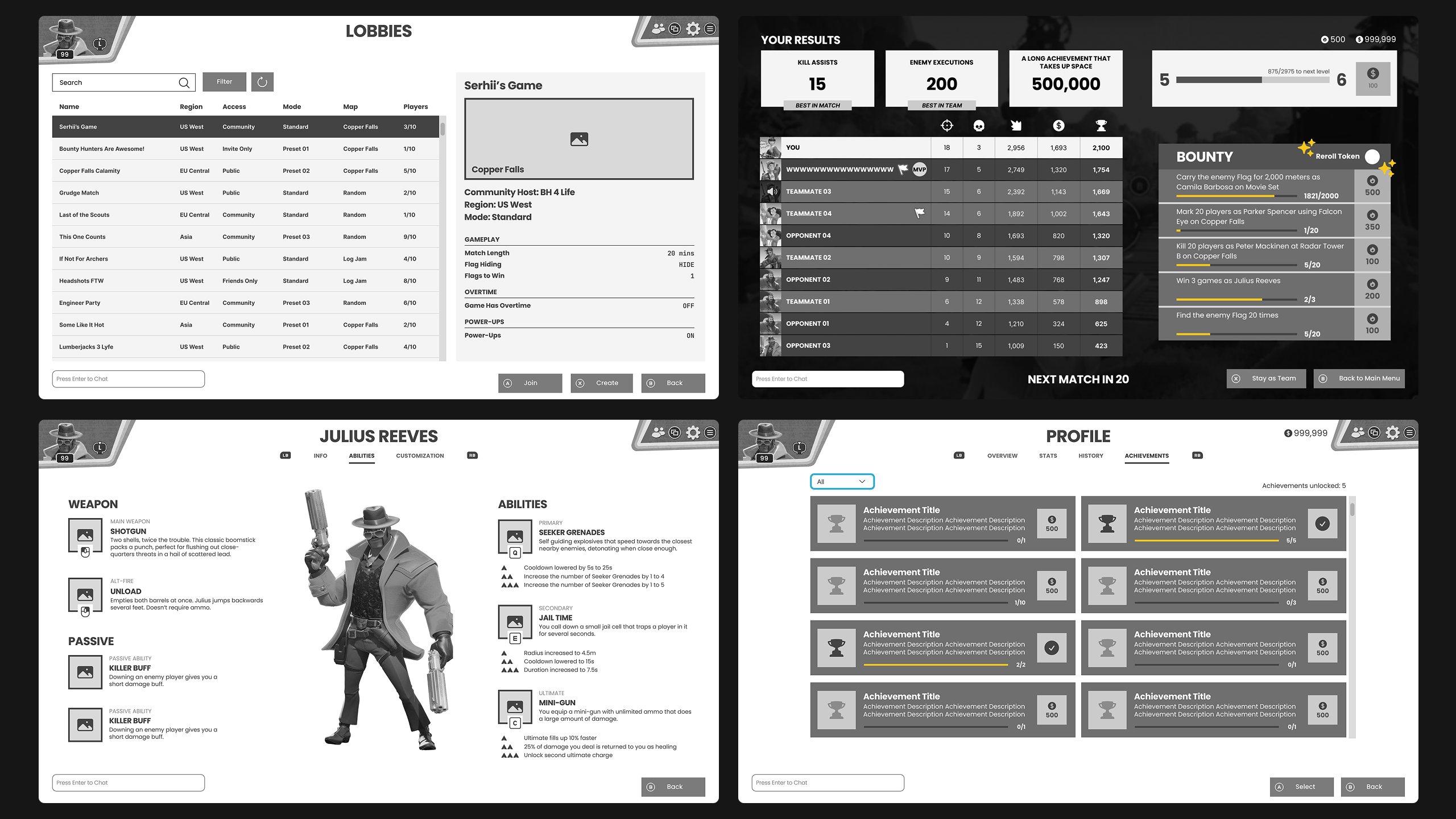
Wireframes for lobbies, post-match stats, contestants and achievements
Outcome
Handing over a foundation the team could build on
Last Flag launched publicly in April 2026, eight months after I handed the work over to the internal team. The systems shipped as a cohesive set of flows, largely unchanged after handover and supporting additional features without requiring structural redesign.
The game launched to mostly positive reviews, with the presentation and accessibility of its systems noted by critics.
Over the course of the project, the outsource team grew from just myself to a multidisciplinary team of six, reflecting both the expanding scope and the confidence placed in the work delivered.
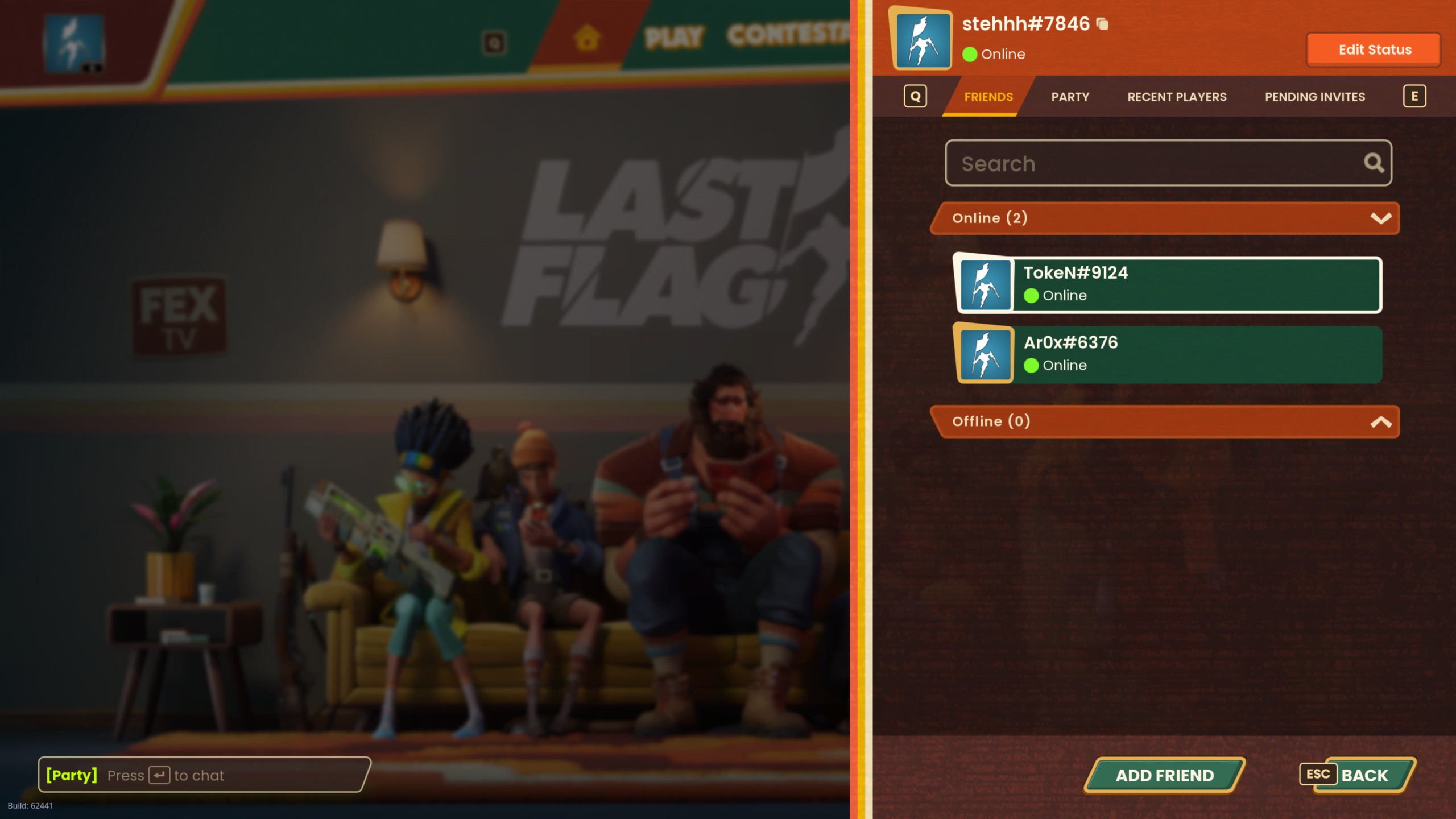
Social panel — shipped design
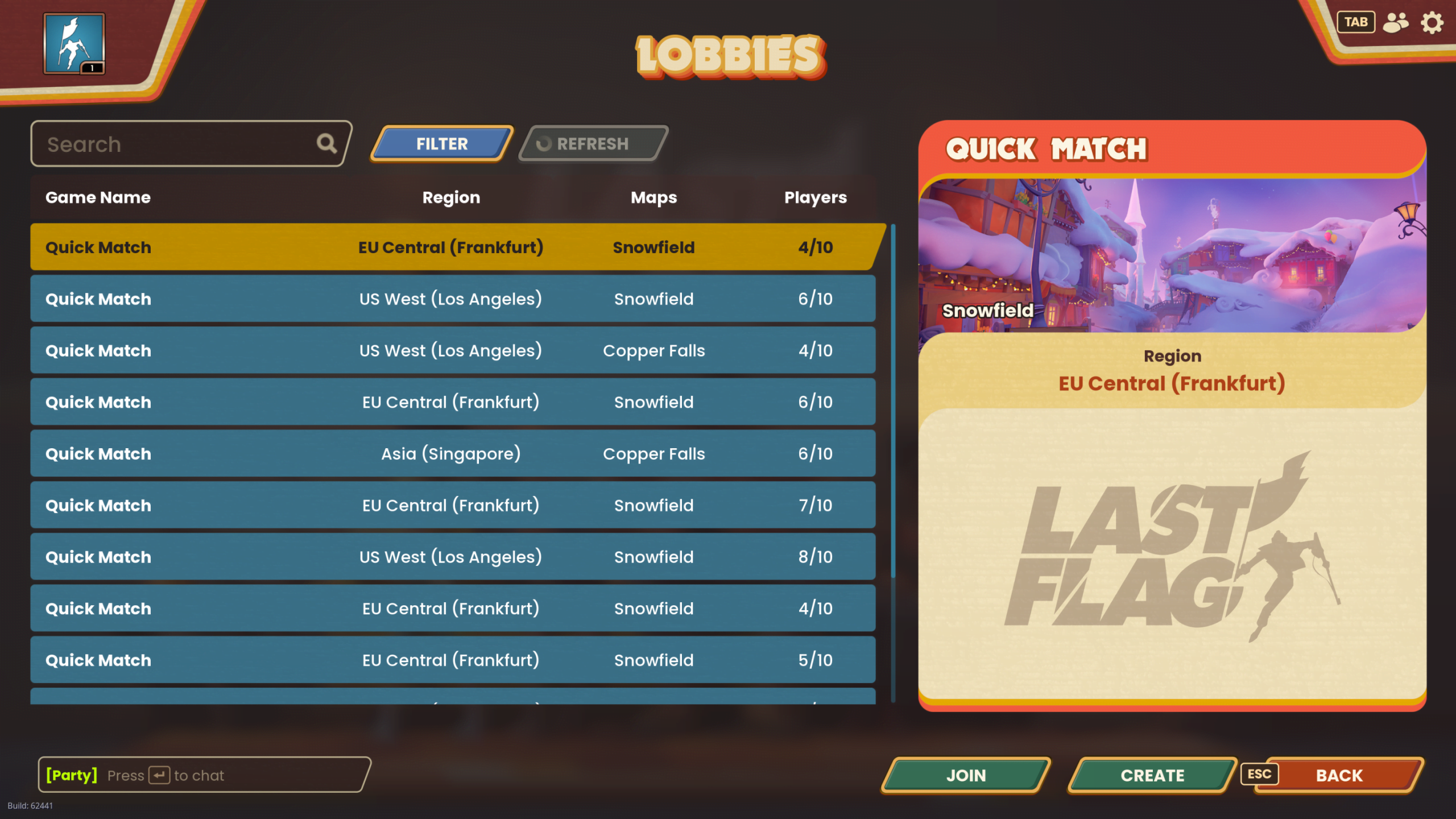
Lobbies — shipped design
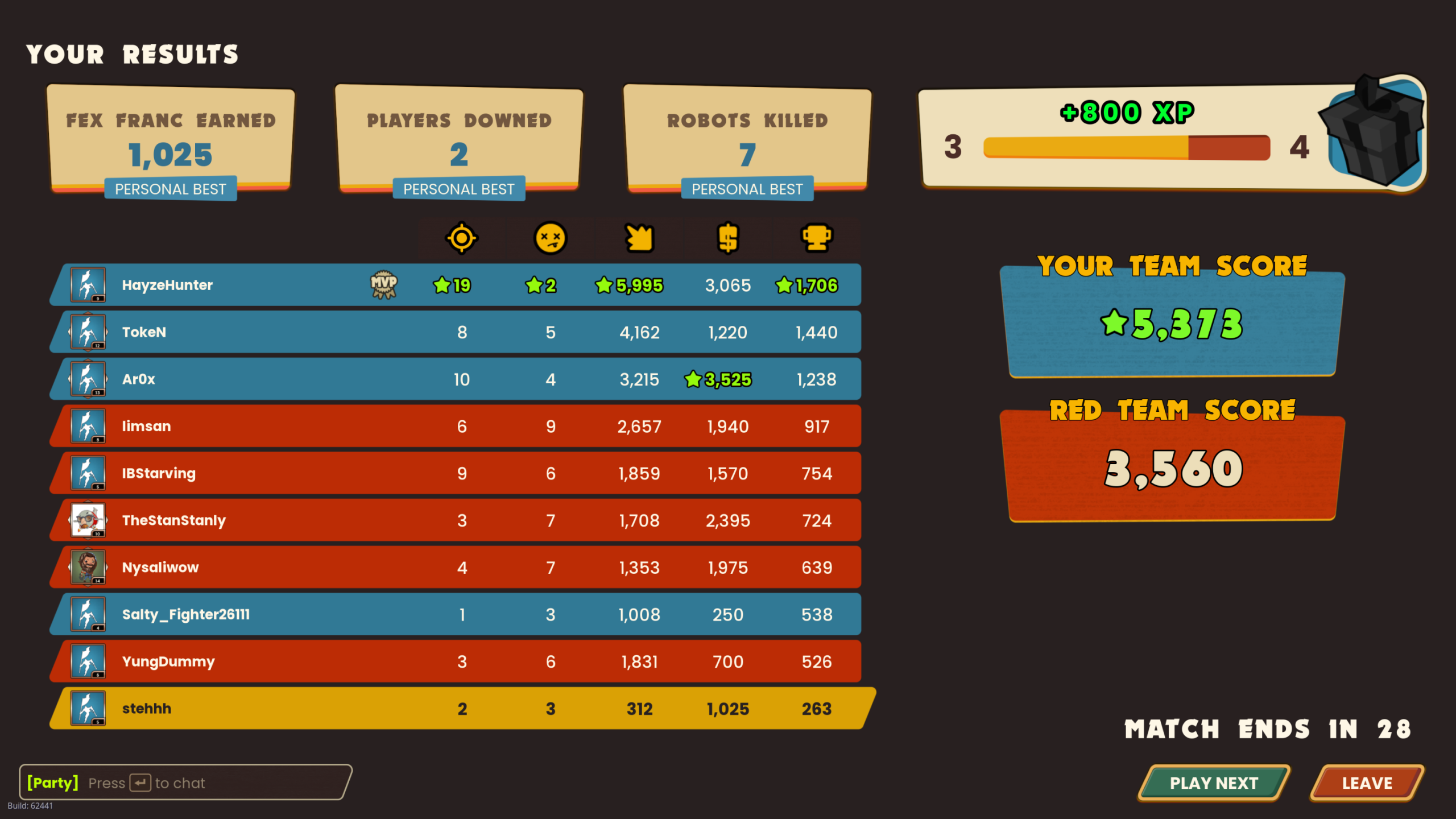
Post-match stats — shipped design
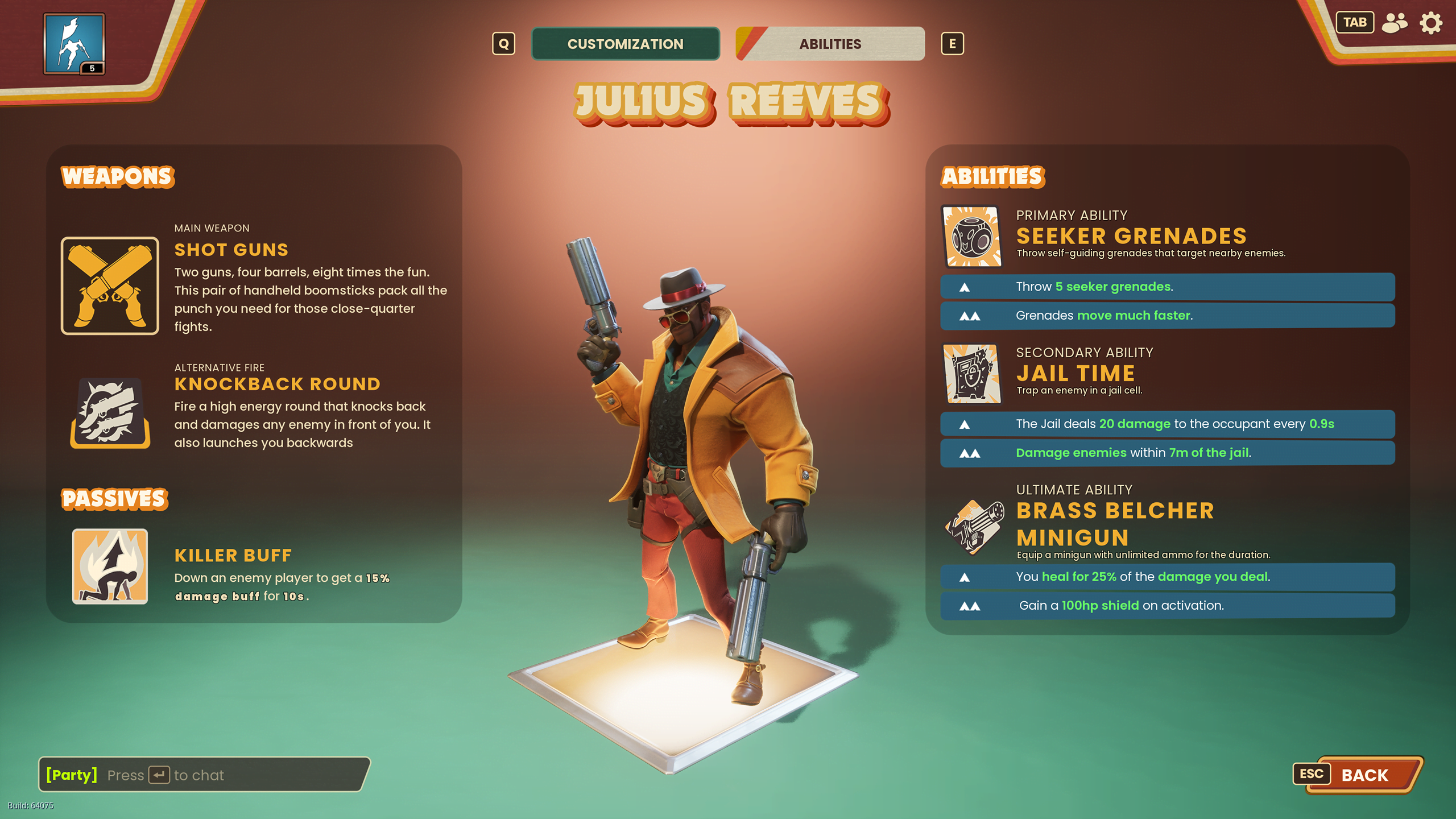
Contestants — shipped design
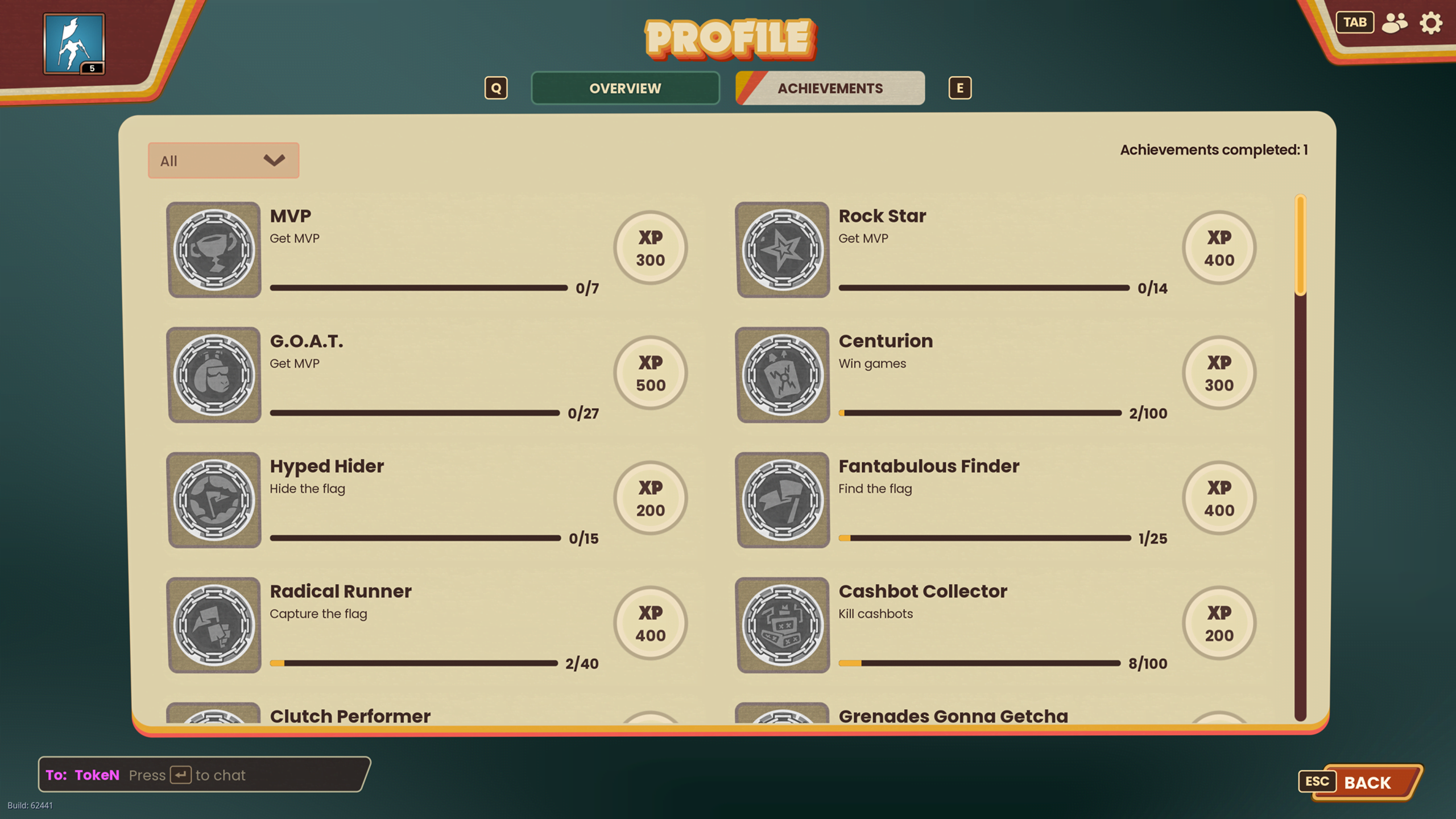
Achievements — shipped design